Business Insurance
Agriculture Insurance
Protect Your Farming Investment
Protects your farm, harvest, livestock, and machinery against drought, floods, pests, disease, and accidental damage.
03
Cover options
29
Underwriters
24/7
Claims support
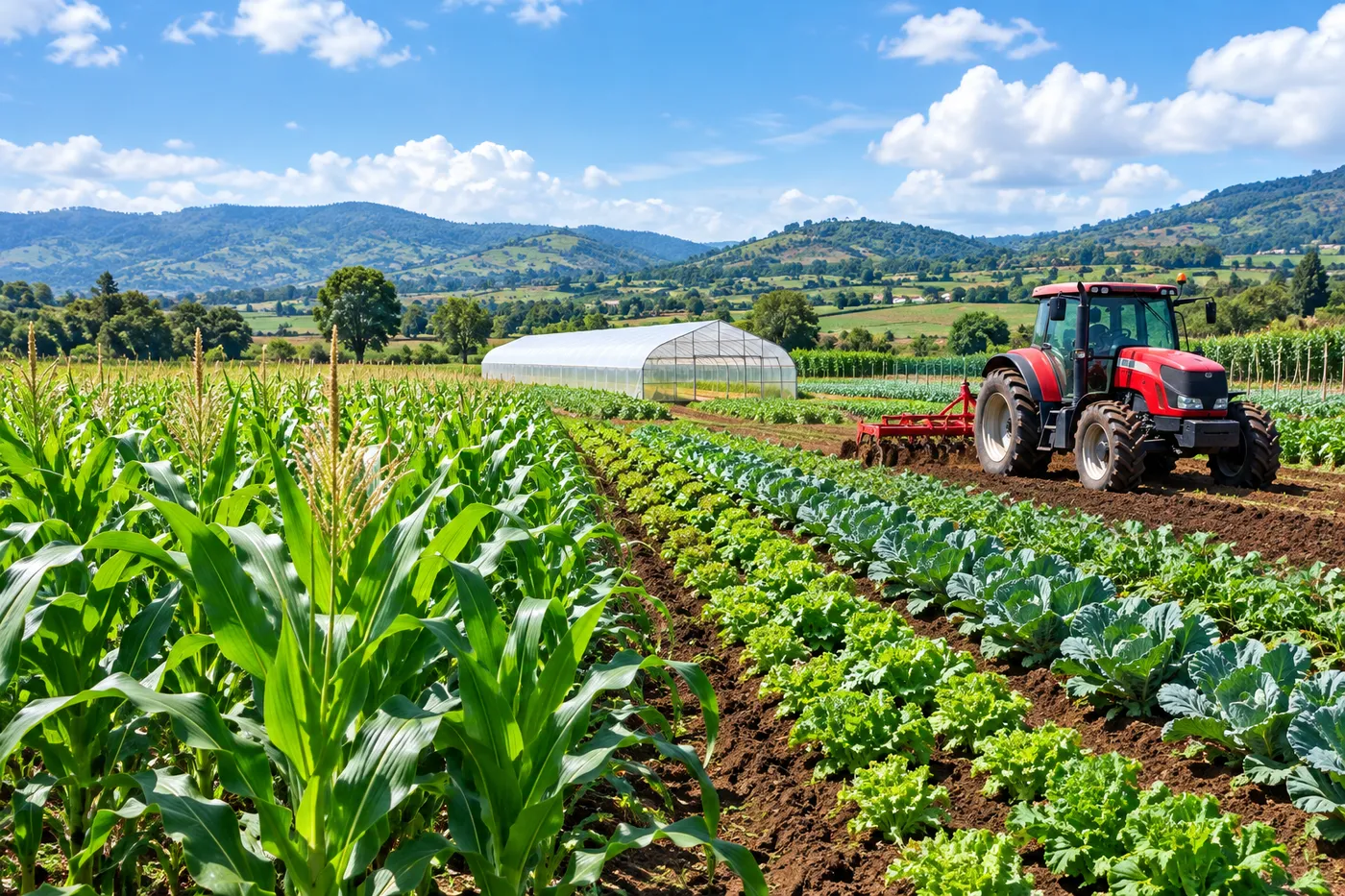
Cover options
Your cover options
Choose the option that matches your needs. Exact terms, limits, and extensions vary by insurer and policy.
01
Crop Insurance
Protects field crops against insured risks such as drought, excessive rainfall, floods, fire, hail, windstorms, lightning, pests, and diseases.
02
Livestock Insurance
Protects insured animals — cattle, sheep, goats, poultry, pigs, rabbits, horses, and fish — against mortality from accidents, disease, epidemics, fire, and difficult delivery.
03
Farm Machinery & Tractors
Third-party and comprehensive cover for tractors, harvesters, bulldozers, and caterpillars.
What's covered
What applies to your policy depends on the cover level you choose and any extensions added.
Field crops
Fire, windstorm, excessive rain, hail, flood, lightning, pests and diseases — and drought, except under irrigation.
Livestock mortality
Death of cattle, sheep, goats, pigs, poultry, and more from accident, disease, epidemic, fire, and difficult delivery.
Forestry
Fire, lightning, windstorm, flood, malicious damage, subsidence, landslide, and riot.
Greenhouse
Plastic cladding and steel structures, the growing crop, irrigation equipment, and machinery breakdown.
Farm machinery
Tractors, harvesters, bulldozers, and caterpillars on third-party or comprehensive terms.
Produce in transit
Harvested crops and yield while being moved, where the transit extension is added.
Also included
- Forestry Cover. Protection for forestry against fire, lightning, windstorm, floods, malicious damage, landslide, riots, and civil commotion.
- Greenhouse Cover. Covers greenhouse structures, growing crops, irrigation equipment, and machinery against insured risks.
- Income Protection. Get compensated when your harvest or livestock is lost.
- Machinery Cover. Comprehensive cover for farm equipment on and off the farm.
- Tailored to Your Farm. Policies designed for smallholders and large commercial operations alike.
Policy details
Choose a topic below to read more.
Is it right for you?
For many farmers, agriculture is both a source of income and a major investment, and a significant loss can affect an entire season and create financial difficulties long after the event. Insurance helps reduce the financial impact of covered agricultural risks.
A good business, but a risky one
Agriculture is a good business, but it can be a risky one — everything from flooding to drought to pest and disease infestation can wreck a harvest. Whether you have invested in livestock, crops, or both, and whether you want cover against a specific threat or against everything, a policy can be designed around your operation so you can reap what you have sown, come what may.
Avoid, minimise, then transfer the risk
Good husbandry and biosecurity come first — vaccination, deworming, tick control, proper housing and fencing. Insurance handles what is left: we help you find the best way to avoid, minimise, and transfer your farming risk.
Who this cover is for
- Smallholder farmers
- Commercial farms
- Livestock keepers
- Greenhouse and forestry operators
- Cooperatives and agricultural SACCOS
- Tractor and machinery owners
Optional extensions
Extra protection you can add for an additional premium. Availability varies by insurer.
- Transit Cover. Extends protection to agricultural produce or livestock while in transit.
- Machinery Breakdown. Covers mechanical or electrical breakdown of farm machinery.
- Deterioration of Stock. Covers loss from deterioration of stored produce or stock.
- Irrigation Equipment Cover. Protects irrigation equipment used in greenhouse and field farming.
What's not covered
- Theft or straying (unless specifically covered)
- Pre-existing animal health conditions
- Losses from poor farm or biosecurity management
This is a general list. Your policy wording sets out the full exclusions that apply.
What you'll need
To take out cover
- Copy of ID or business registration documents
- Farm / location details
- Type of crops or agricultural activity
- Size / value of the farming operation
- Details of machinery or other assets to be insured
- Other farm information depending on the cover
To make a claim
- Veterinary report (livestock)
- Death certificate (livestock)
- Post-mortem report (livestock)
- Animal identification records (livestock)
- Farm records (crops)
- Assessment report (crops)
- Evidence of the affected crop
Report loss or damage to Cush or your insurer promptly and provide the required supporting documents for assessment.
Requirements vary by insurer, type of cover and circumstances. Our team will tell you exactly which documents your policy needs.
Key terms
Indemnity
Compensation paid for the loss suffered, up to the sum insured.
Insurable Interest
You must financially benefit from the survival of the crop or livestock.
Index-Based Cover
Pays out when a predetermined weather or agricultural index reaches an agreed threshold, rather than on assessed loss.
FAQ
Frequently asked questions.
Quick answers on agriculture insurance. More on the FAQ page.
See all FAQsWhat crops are covered?
Most crops can be covered, including maize, wheat, tea, coffee, horticulture, and greenhouse produce. Cover is agreed with the underwriter based on your farm.
Is livestock covered?
Yes — cattle, sheep, goats, poultry, and other livestock can be insured against death, disease, and specified accidents.
Are tractors covered?
Yes. Farm machinery such as tractors, harvesters, and bulldozers can be covered on third-party or comprehensive terms.
What's the difference between indemnity-based and index-based crop cover?
Indemnity-based cover pays out based on the actual assessed loss, after an assessor visits the farm. Index-based (parametric) cover pays automatically when a rainfall or vegetation index drops below an agreed threshold, with no farm visit needed.
Is there a government subsidy for smallholders?
Smallholder farmers (under 20 acres) growing staple crops such as maize, potatoes, or sorghum may qualify for the Kenya Agricultural Insurance Programme (KAIP), which can cover up to 50% of the premium per acre.
How quickly must I report crop damage?
Notify your insurer within 24 to 48 hours of any adverse weather event or damage, and keep records of your farm activities, expenses, and expected yields — an agricultural extension officer's report can support your claim.
More Business Insurance 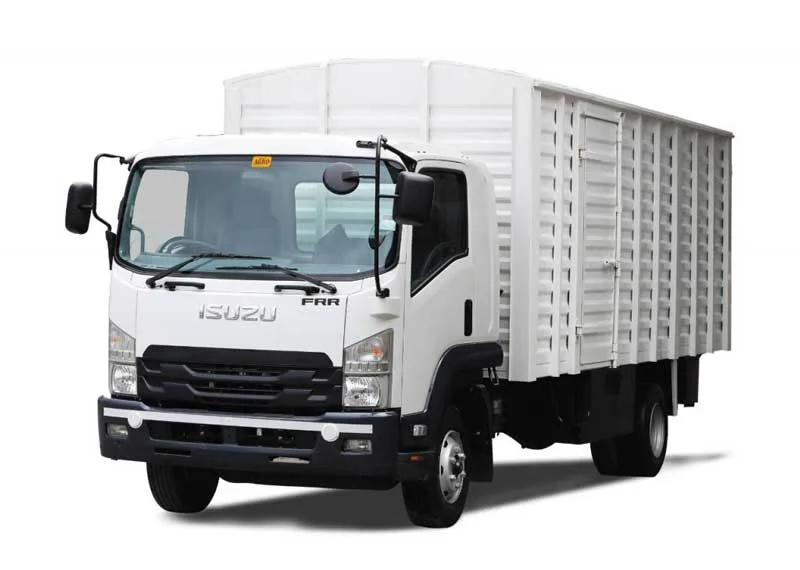
Related cover
Business Insurance
Goods in Transit (GIT)
Protect Your Goods While They Are on the Move
Learn more
Ask on WhatsApp
Business Insurance
Workplace Injury Cover (WIBA)
Protect Your Employees. Protect Your Business.
Learn more
Ask on WhatsApp