Business Insurance
Workplace Injury Cover (WIBA)
Protect Your Employees. Protect Your Business.
Meets your WIBA obligation and protects your business from the cost of work-related employee injury, illness, or death.
03
Cover options
29
Underwriters
24/7
Claims support
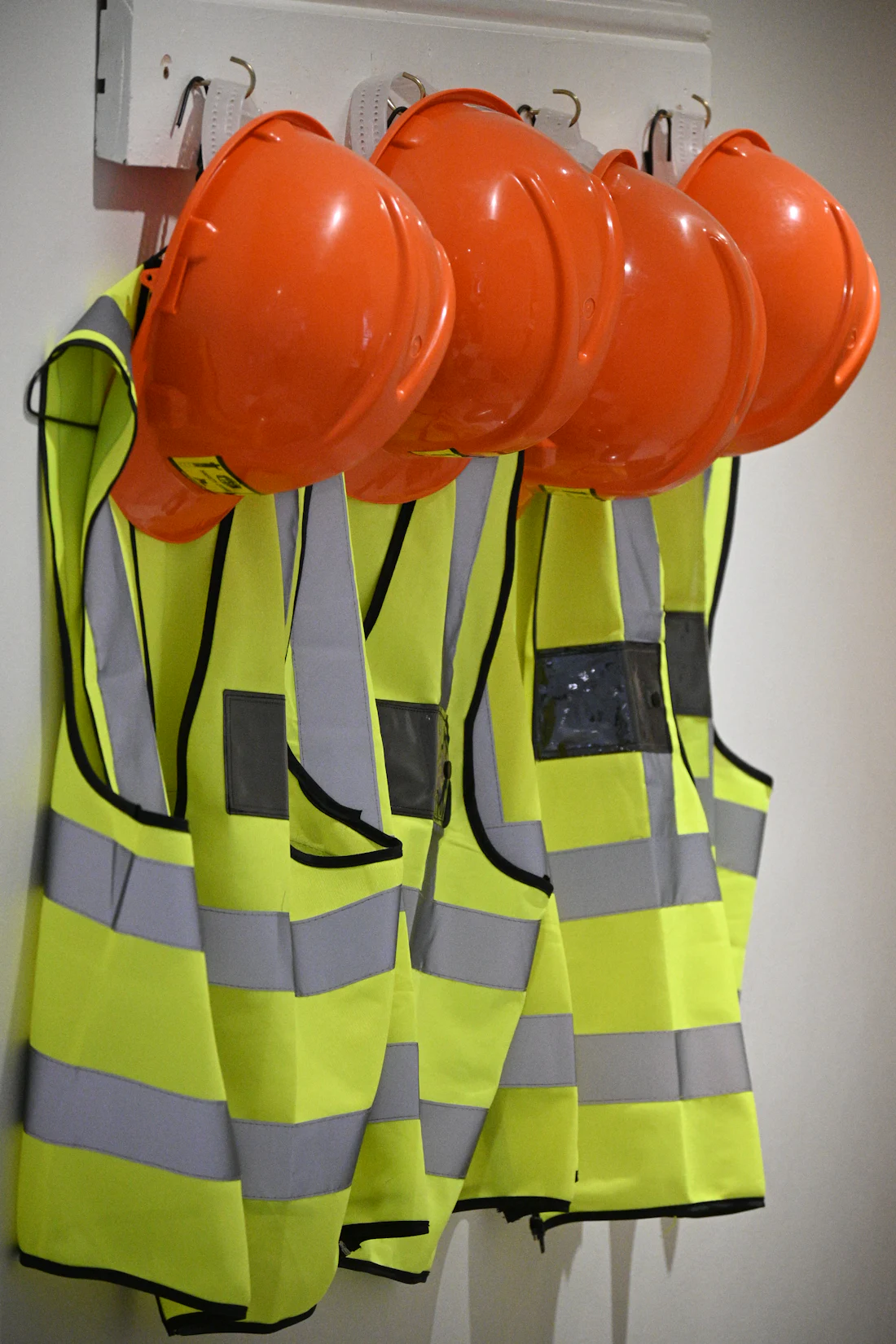
Cover options
Your cover options
Choose the option that matches your needs. Exact terms, limits, and extensions vary by insurer and policy.
01
WIBA Compensation
Meets your statutory obligation to compensate any employee — from general clerks to site workers — for a work-related injury or illness.
02
Employer's Liability
Covers you if an employee sues alleging their injury was caused by your negligence, beyond WIBA's statutory limits.
03
Medical & Funeral Expenses
Covers treatment costs for the injury, plus a contribution toward funeral costs in the event of a work-related death.
What's covered
What applies to your policy depends on the cover level you choose and any extensions added.
Also included
- Death benefit. Compensation paid to dependants if an employee dies from a work-related injury or illness.
- Permanent disability. A lump-sum benefit based on the degree of permanent incapacity suffered.
- Temporary disability. Income replacement while an employee recovers and is unable to work.
- Medical expenses. Treatment costs for the work-related injury or illness, covered as they're incurred.
- Funeral expenses. A contribution toward funeral costs in the event of a work-related death.
Towing and breakdown help are assistance services rather than insurance cover; their availability and limits depend on the insurer and the cover level chosen.
Policy details
Choose a topic below to read more.
Is it right for you?
Workplace accidents can happen even when safety procedures are in place. Appropriate cover helps employers meet their obligations while providing financial protection for employees affected by covered workplace injuries.
WIBA is a legal benefit for every employee
The Work Injury Benefits Act (2007) gives every employee of a Kenyan business a benefit for any injury at work or work-related illness, up to a maximum of 8 years' salary. It is compulsory for all employees whatever their role — general clerks, telephone operators, typists and secretaries, room attendants, cooks, watchmen, waiters, sales people, accountants, and managers alike.
Employer's Liability is a separate exposure
Employer's Liability — or Common Law Liability — is where an employee sues the employer for an injury or illness, alleging it resulted from the employer's negligence, with no time limit on the claim. Even an allegation forces you to appoint a lawyer and see the case through: win and you have still incurred costs; lose and you pay those costs plus any compensation.
Who this cover is for
- All registered employers
- Manufacturing and industrial businesses
- Construction and site-based employers
- Offices, hospitality, and service businesses
- Schools, hospitals, and institutions
Optional extensions
Extra protection you can add for an additional premium. Availability varies by insurer.
- Employer's Liability Extension. Raises cover beyond WIBA's statutory limits for negligence claims, with no cap on the claim period.
- Employee Benefits Liability. Covers errors or omissions in administering staff benefits — e.g. forgetting to enrol an employee in medical cover before a claim arises.
What's not covered
- Self-inflicted injury or gross misconduct
- Injuries outside the course of employment
- Casual workers not declared on the payroll
- War, riot, and nuclear risks
This is a general list. Your policy wording sets out the full exclusions that apply.
What you'll need
To take out cover
- Business registration documents
- Employer's ID / passport or authorised representative's details
- Number of employees
- Employee occupations / job categories
- Estimated payroll
- Business activities and location
Report the injury immediately, get a medical report, and notify us so compensation can be assessed without unnecessary delay.
Requirements vary by insurer, type of cover and circumstances. Our team will tell you exactly which documents your policy needs.
Key terms
WIBA
The Work Injury Benefits Act (2007) — Kenyan law requiring every employer to compensate employees for work-related injury, illness, or death, regardless of fault, capped at a maximum of 8 years' salary.
Employer's Liability
Also called Common Law Liability — cover for claims where an employee alleges their injury was the employer's fault. Unlike WIBA, there's no statutory cap and no time limit on bringing a claim.
FAQ
Frequently asked questions.
Quick answers on workplace injury cover (wiba). More on the FAQ page.
See all FAQsIs this cover a legal requirement?
Yes. WIBA requires all employers in Kenya to have cover in place for their employees against work-related injury, illness, or death.
Does it cover occupational diseases, not just accidents?
Yes, occupational illnesses arising from the nature of the work are covered alongside workplace accidents.
What's the difference between WIBA cover and Employer's Liability?
WIBA is a no-fault statutory benefit capped at 8 years' salary. Employer's Liability responds when an employee sues alleging your negligence caused the injury — with no cap and no time limit.
Does this cover errors in administering staff benefits like medical cover or pensions?
That's a separate cover called Employee Benefits Liability — available as an extension here or as its own policy. Ask your advisor.
Which employees must be covered?
All of them. WIBA 2007 makes cover compulsory for every employee regardless of role — general clerks, telephone operators, typists and secretaries, room attendants, cooks, watchmen, waiters, sales people, accountants, managers, and all other staff.
If a negligence claim against me turns out to be groundless, am I still covered?
Yes. The Employer's Liability section funds your legal defence even where the allegation of negligence is never proven — the costs of defending are covered, not only any compensation awarded.
More Business Insurance 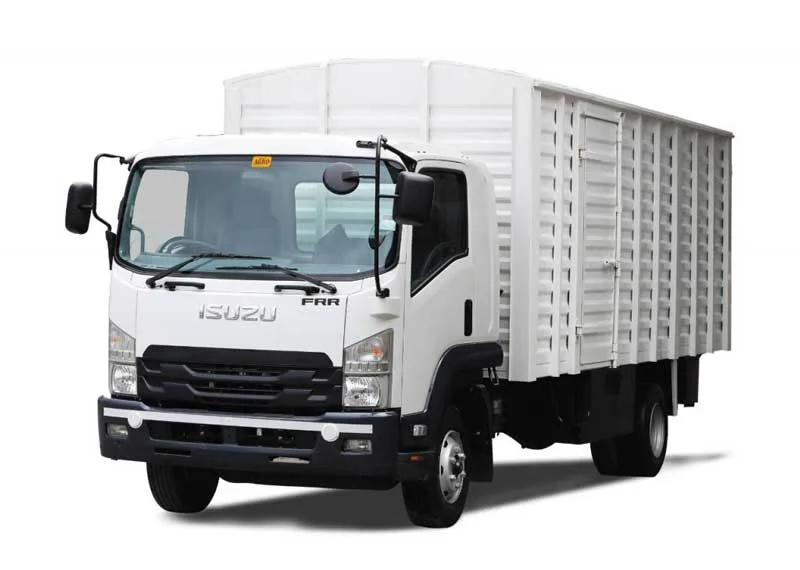

Related cover
Business Insurance
Goods in Transit (GIT)
Protect Your Goods While They Are on the Move
Learn more
Ask on WhatsApp